

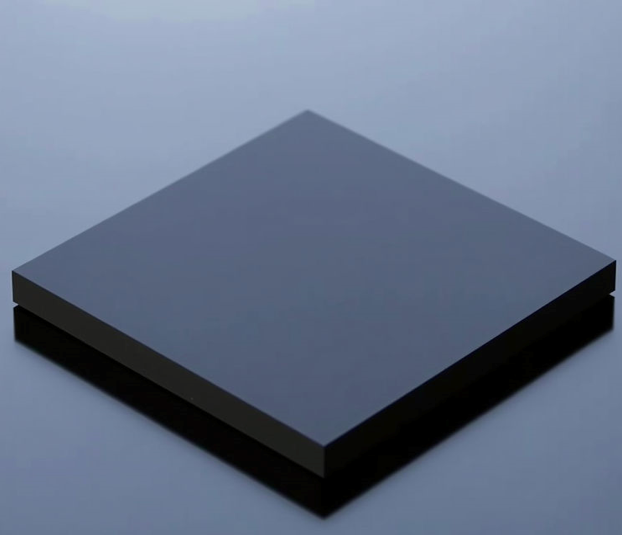
Industrial systems often operate under extreme conditions that involve high temperatures, abrasive materials, and exposure to corrosive chemicals. In such environments, material failure can lead to costly downtime and safety risks. This is why advanced ceramics like silicon carbide plates and silicon carbide pipes are widely used in demanding applications.
These materials are known for their exceptional durability, thermal stability, and resistance to wear. Understanding their properties and applications helps engineers and industrial buyers select the right components for reliable performance.
What is silicon carbide?
Silicon carbide is a high-performance ceramic made from silicon and carbon. It is designed to withstand conditions that would damage or degrade most metals and standard ceramics. Its combination of strength, hardness, and heat resistance makes it one of the most preferred materials for harsh industrial environments.
Silicon carbide is especially valuable in systems where both mechanical and thermal stresses are present.
Key Properties of Silicon Carbide Materials
Both silicon carbide plate and silicon carbide pipes share several important characteristics that make them suitable for extreme conditions.
High Temperature Resistance
Silicon carbide can operate at very high temperatures without losing strength or stability. This makes it ideal for furnace systems and thermal processing equipment.
Excellent Wear Resistance
Its hardness allows it to resist abrasion and wear, even in systems where materials are constantly moving or rubbing against surfaces.
Strong Thermal Conductivity
Silicon carbide transfers heat efficiently. This property is useful in applications where heat needs to be distributed or dissipated quickly.
Chemical Resistance
It performs well in corrosive environments, including exposure to acids and industrial chemicals.
Applications of Silicon Carbide Plate
A silicon carbide plate is typically used in systems that require flat, durable surfaces capable of handling high stress and temperature.
In furnace linings, these plates provide a strong and heat-resistant surface that protects equipment from damage. They are also used as support plates in high-temperature kilns and processing units.
Silicon carbide plates are commonly used in wear-resistant applications. For example, they can be used as liners in equipment that handles abrasive materials such as powders and particles.
In heat treatment systems, these plates help maintain consistent temperatures and improve efficiency by distributing heat evenly.
Applications of Silicon Carbide Pipe
A silicon carbide pipe is designed for transporting fluids or gases in harsh environments. Its cylindrical structure makes it ideal for flow systems that require strength and resistance to chemical attack. These pipes are widely used in chemical processing plants where corrosive fluids are present. Their resistance to chemical damage ensures long service life and reduces the risk of leaks or failures.
In high-temperature systems, silicon carbide pipes are used to carry hot gases or liquids without losing structural integrity. This makes them suitable for use in furnaces and heat exchangers. They are also used in industries such as power generation and mining, where materials must withstand both heat and abrasion.
Advantages Over Traditional Materials
Compared to metals and other ceramics, silicon carbide plates and silicon carbide pipes offer several advantages. They have a longer service life because they resist wear and corrosion more effectively. This reduces maintenance costs and improves system reliability.
They can handle higher temperatures than many metals, which makes them suitable for advanced industrial processes. Their ability to resist thermal shock means they can perform well even when temperatures change quickly.
When to Choose Silicon Carbide Components
Silicon carbide components are best suited for applications that involve a combination of heat, wear, and chemical exposure.
If an industrial system operates under extreme conditions where standard materials fail, silicon carbide is often the preferred choice. It is especially useful in systems that require long-term durability and minimal maintenance.
Engineers should consider factors such as temperature range, type of material being processed, and level of chemical exposure when selecting silicon carbide components.
Conclusion
Silicon carbide plates and silicon carbide pipes are essential materials for industries that operate in harsh environments. Their ability to withstand high temperatures, resist wear, and perform in corrosive conditions makes them highly reliable for demanding applications.
By understanding their properties and uses, industrial buyers and engineers can select materials that improve efficiency, reduce downtime, and ensure long-term performance. Silicon carbide continues to be a key solution for modern industrial challenges.