

Coffee shops often depend on more than coffee alone. Pastries, cakes, seasonal drinks, hot chocolate, and light desserts can all increase the value of an order while giving customers more reasons to stay longer or return. The challenge is creating pairings that feel intentional rather than simply adding more items to the menu.
Whipped toppings can help connect beverages and desserts because they work across both categories. A carefully portioned whipped finish can soften strong coffee flavors, add contrast to chocolate-based drinks, or make a simple pastry feel more complete. When cream-charger systems are used correctly for culinary purposes, they can support this type of service without adding unnecessary preparation complexity.
Pair Coffee With Compatible Sweet Flavors
Different coffee styles work better with different desserts.
A rich espresso-based drink may pair well with chocolate, caramel, or coffee-flavored sweets, while lighter coffee drinks can work with fruit, vanilla, or pastry-based desserts.
The goal is to create combinations where the drink and dessert support each other rather than compete. This gives staff an opportunity to make simple pairing suggestions at the counter.
Keep Whipped Finishes Consistent
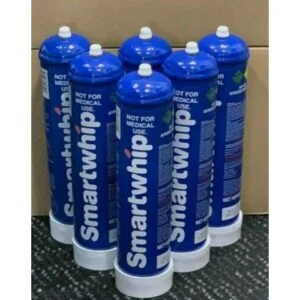
Consistency matters when the same topping appears on several drinks and desserts. Culinary products such as galaxy gas are associated with cream-charger applications used with compatible food-preparation equipment. In a coffee shop workflow, this can support suitable aerated toppings while helping staff apply them in a more repeatable way.
A consistent topping can make signature drinks and desserts look more recognizable across different shifts.
Use One Component Across Multiple Menu Categories
Efficiency improves when one preparation supports several items. A whipped component may appear on hot chocolate, iced coffee, cake slices, waffles, or seasonal desserts. This reduces the need to create a completely separate topping for every product.
It also makes training easier because employees can work with a familiar base and learn how the portion changes depending on the item.
Create Signature Pairings
Coffee shops can make the menu feel more distinctive by developing a few recommended combinations. A chocolate cake might be paired with a coffee drink finished with a complementary whipped topping, while a fruit pastry could be matched with a lighter beverage and a more neutral cream element.
A culinary option such as Exotic whip can fit within an appropriate cream-charger setup for food preparation. This can support aerated toppings for selected pairings while allowing the shop to maintain a consistent broader workflow.
Keep Upselling Natural
Pairing recommendations work best when they feel helpful rather than forced. Staff can suggest a dessert that complements a drink or mention a topping option when it genuinely fits the order. The focus should be on improving the customer experience, not simply increasing the ticket value.
Simple prompts such as pairing a latte with a pastry or adding a finished topping to a specialty drink can be enough.
Protect Service Speed
Coffee shops often operate in fast-moving environments, especially during morning and lunch periods. Any additional topping or dessert pairing must be quick to execute. Complicated finishing steps can create bottlenecks at the beverage station.
Prepared components, clear station organization, and simple portion standards help keep service moving even when multiple drink and food orders arrive at once.
Standardize Portion Sizes
Whipped toppings can become expensive if employees use widely different amounts. A small drink may require a modest finish, while a dessert-style beverage or cake serving may need more. Defining these amounts helps maintain both appearance and food-cost control.
Reference photos can be especially useful for specialty drinks, where visual presentation is part of the product.
Keep the Counter Organized
A busy coffee station needs a logical layout. Frequently used ingredients should be close to the assembly area, while backup supplies can remain in refrigerated or dry storage until needed.
Whipped toppings, sauces, cups, and garnishes should be positioned so staff can complete an order without unnecessary movement.
Maintain Proper Food Handling
Cream-based ingredients need suitable refrigeration, and dispensing equipment should be cleaned according to manufacturer instructions. Pressurized culinary products should also be stored safely and protected from excessive heat or physical damage.
Clear routines help ensure that convenience does not come at the expense of food safety or equipment care.
Conclusion
Thoughtful coffee and dessert pairings can make a menu feel more complete without requiring a large number of new ingredients. Whipped toppings are especially useful because they can connect drinks and desserts while supporting both presentation and flavor balance.
Cream-charger systems can fit into this approach when they are used responsibly for culinary applications. With clear pairings, consistent portions, efficient station design, and careful handling, coffee shops can create more polished menu combinations while keeping service practical.