

In industries where structural integrity plays a crucial role, ensuring the quality of products and the safety of the work environment is paramount. The components applied in the manufacture of automobiles, aircraft, heavy machinery, oil and gas and fabrication industries need to be thoroughly tested before they are put into use. Deterioration in the surface can cause serious failures that can be expensive if not detected. This is where Magnetic Particle Testing (MPT) can be an effective method of inspection. It is used to detect defects in the surface and near-surface of the component being tested without causing damage to the part.
The manufacturing process is further improved, and Magnetic Particle Testing is also one of the most popular non-destructive testing (NDT) techniques. It is fast and reliable and can also detect very fine discontinuities; as such, it is an important component in modern quality control programs.
What Is Magnetic Particle Testing?
Magnetic Particle Testing (MPT) is an NDT technique that is used to identify cracks, seams, laps and other discontinuities in ferromagnetic materials. It is done by magnetizing the tested part and then applying fine magnetic particles on its surface. When a defect disturbs the magnetic field, particles collect around the defect, which leaves a visible “fingerprint” that can be assessed by the inspector.
This type of inspection is typically used for steel components, welds, castings and forgings, or machined products that might have internal flaws which affect the product’s performance or safety if they were not detected.
The tested part is not harmed during the inspection process, and Magnetic Particle Testing provides quality assurance and can be used in the cost effective manufacturing.
How the Magnetic Particle Testing Process Works
The application process may differ depending on the type of application, but there are a few important steps for the inspection process.
Cleaning is first performed to eliminate dirt, oil, rust and other possible contaminants that may impact inspection findings. Then, the part is magnetized using the appropriate equipment. Magnetic particles are then applied in dry or wet form to the surface after being magnetized.
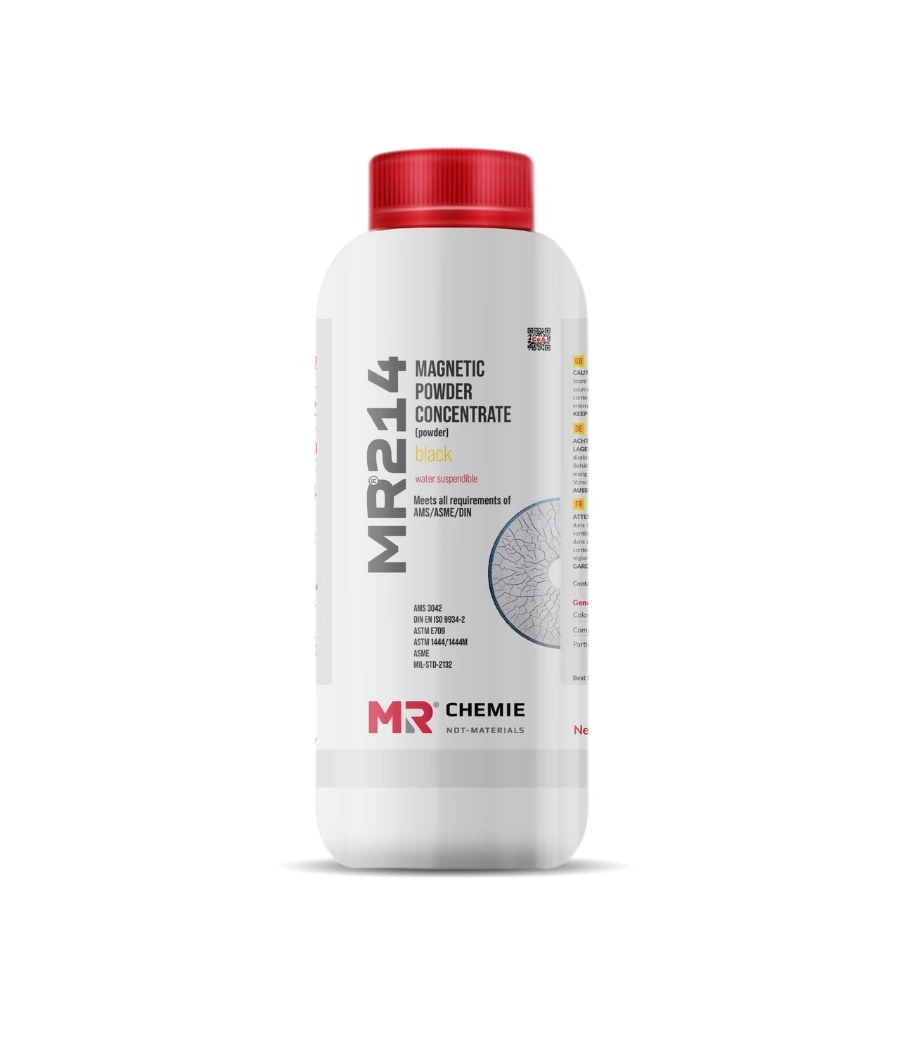
Wet magnetic particle suspensions are typically made using a magnetic powder concentrate. If the particles are applied properly, they will gather around the area where the magnetic field is disturbed by the discontinuity and are able to provide the inspector with information regarding a possible discontinuity.
The component is then inspected, documented, if needed, and demagnetized if needed and returned to production/service.
Benefits of Magnetic Particle Testing
Magnetic Particle Testing has a number of advantages which make it a favored method of inspection in many industries. It spots flaws real fast, like right away, so shops can make sure the goods look top-notch.
Key benefits are that it:
- Detects fine surface and near-surface defects.
- Does not damage the inspected component.
- Supports fast inspection during production.
- Suitable for complex component shapes.
- Improves product quality and operational safety.
- Helps reduce costly rework and unexpected failures.
Such perks let plants catch bad slips fast, way ahead of time, which keeps the lines running smoothly.
Understanding Magnetic Powder Concentrate
A magnetic powder concentrate has a significant function in the process of wet magnetic particle inspection. It is compounded with an appropriate carrier fluid to form a suspension that is uniformly applied to the surface of the test component.
If there is a discontinuity in the magnetized part, then the suspended magnetic particles concentrate around the discontinuity, and this gives a visual sign for the inspector. The reliability of the inspection results and consistency of detection of the defects are provided with proper preparation and application of the magnetic powder concentrate.
The choice of the concentrate is dependent on the inspection method, lighting, material type and the relevant Industry standards.
The Role of MR Chemie Products in NDT
Many inspection programs today require special consumables to ensure consistent testing performance. MR Chemie products are widely used in non-destructive testing (NDT) such as magnetic particle inspection and liquid penetrant testing.
These products are designed to facilitate the clear indication of defects and reliable inspection procedures in different industrial applications. MR Chemie products are commonly employed when inspecting welds, assessing castings, during manufacturing, maintenance, and quality control procedures that require accurate information regarding defects.
They are used in accordance with the inspection procedures and are used to help inspectors make reliable inspections and to support the recognized industrial quality standards.
Industrial Applications of Magnetic Particle Testing
The Magnetic Particle Testing (MPT) method is applied in many different industries due to the fact that it can inspect a component without compromising its usability and is fast.
Common applications include:
- Inspection of welded joints.
- Automotive engine and transmission components.
- Steel castings and forgings.
- Railway components.
- Pressure vessels and pipelines.
- Heavy industrial machinery.
- Maintenance and repair inspections.
The applications guide manufacturers to detect defects before products are in service, limiting service risks and enhancing service reliability.
Future Developments in Magnetic Particle Inspection
The inspection method is becoming more and more digital and more and more data-driven, as new technologies continue to proliferate in Industry 4.0. Efficiency and traceability are enhanced through automated magnetic particle inspection systems, digital image analysis and electronic inspection records.
Although these technological advances are made, the effectiveness of Magnetic Particle Testing will still be dependent on proper procedures, trained inspectors, quality inspection materials and regular maintenance of equipment. The use of modern technologies and proven inspection techniques allows manufacturers to ensure high standards of safety and quality of their products.
Conclusion
Magnetic Particle Testing is still one of the best non-destructive testing techniques available to find surface and near-surface defects in ferromagnetic materials. By applying high-quality MR Chemie products in combination with a reliable magnetic powder concentrate, accurate inspections, consistent manufacturing and industrial safety are ensured for a multitude of applications. tsaifuddin.com is a valuable resource for organizations looking for reliable information about precision inspection technologies and industrial solutions, spanning modern manufacturing and quality assurance.