

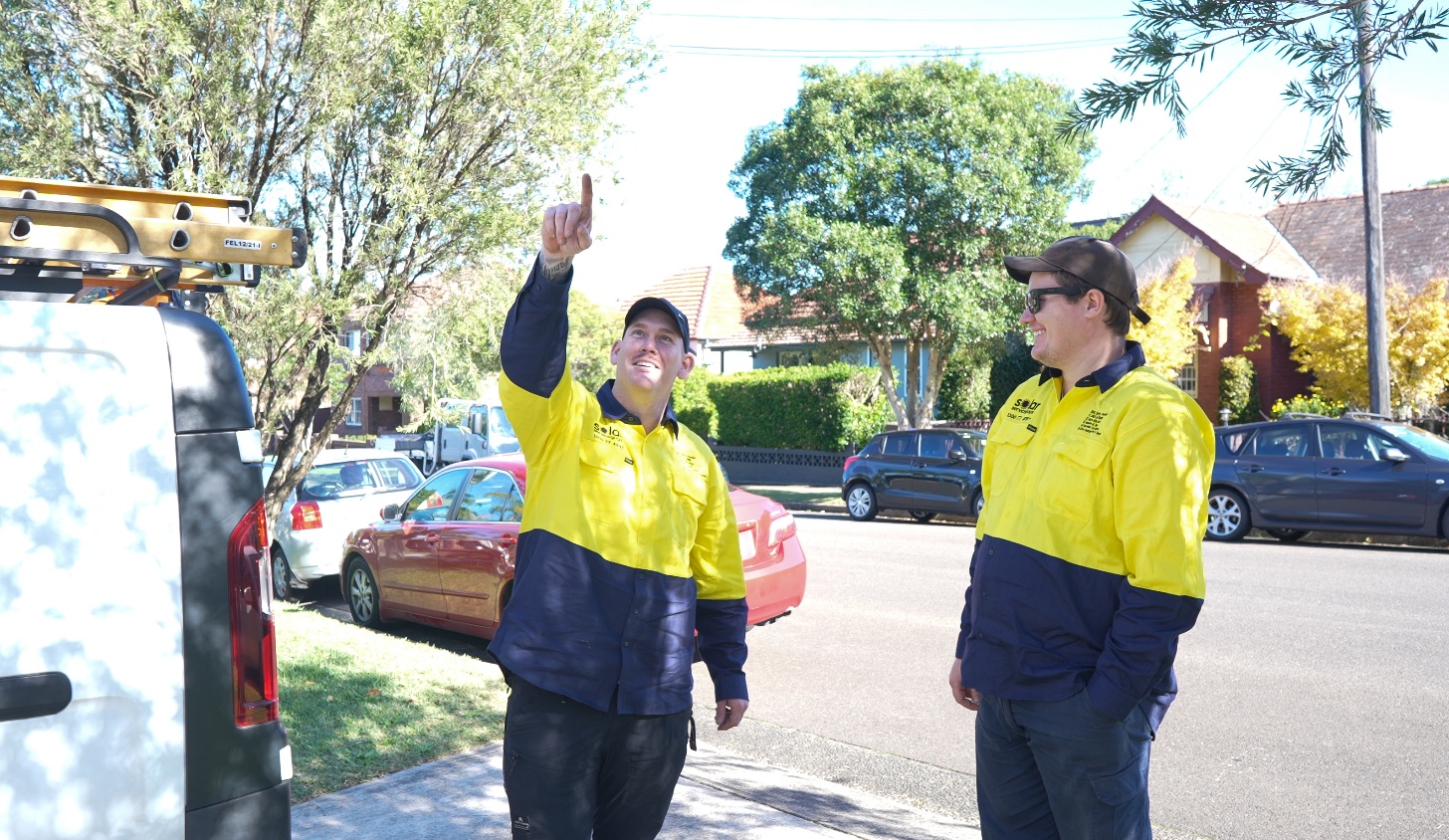
Preventive solar care involves more than booking a service after the system stops working. It combines routine performance monitoring, seasonal observations, professional inspections and accurate record-keeping. For Brisbane properties, a maintenance plan should also account for heat, humidity, storms, heavy rainfall and rapid vegetation growth.
A structured solar maintenance plan helps homeowners identify developing issues before they become major problems. It also ensures that maintenance is based on the property’s actual conditions rather than following a generic service schedule.
Record the System’s Starting Condition
Begin by documenting the system’s age, panel layout, inverter model, installation date and any previous repairs or maintenance. Homeowners should also note whether monitoring data is available and whether the system has experienced recurring shutdowns or performance issues.
The surrounding environment is equally important. Trees, road dust, nearby construction, roof accessibility and storm exposure can all influence future maintenance requirements. Creating this baseline profile allows the maintenance plan to reflect the specific installation rather than treating every solar system the same.
Create a Monthly Monitoring Habit
Homeowners should review their solar generation data once a month and compare it with the same season in previous years. A single cloudy day is not cause for concern, but a consistent decline in production, repeated inverter shutdowns or missing monitoring data may indicate that further investigation is needed.
Inverter warning lights and error messages should be photographed and recorded rather than repeatedly reset. Electricity bills should also be reviewed for unexplained increases in grid electricity usage. Together, these records provide valuable evidence if a professional solar inspection becomes necessary.
Add Seasonal Observations
Brisbane’s climate allows vegetation to grow quickly, which can create new shading over time. At the beginning of each season, homeowners should check whether tree branches, leaves or nearby structures are reducing the amount of sunlight reaching the solar panels.
Before summer, the inverter area should remain clear and well ventilated in accordance with the manufacturer’s recommendations. Following major storms, monitoring data and the visible condition of the rooftop should be reviewed safely from ground level.
Homeowners should never climb onto the roof or attempt to handle electrical equipment themselves.
Plan Professional Maintenance
Professional Solar Panel Maintenance in Brisbane s hould assess the entire solar system rather than focusing solely on panel cleanliness. A qualified technician may inspect the solar panels, mounting hardware, wiring, isolators, inverter and historical generation data to evaluate the system’s overall condition.
The frequency of professional maintenance should be based on the system’s age, environmental exposure and previous inspection findings. A property that has experienced recurring faults or frequent severe weather may require more regular attention than a newer system with consistently stable performance.
The service provider should clearly explain what was inspected, what was found and why any recommended work is necessary.
Decide When Cleaning Is Justified
Solar panel cleaning may be appropriate when visible dust, leaves, pollen or bird droppings have accumulated on the panel surface. However, cleaning should not be scheduled automatically without first considering whether the contamination is actually affecting system performance.
Harsh chemicals, abrasive cleaning tools and high-pressure water can damage panel coatings, seals and nearby components. Professional cleaning methods should always be suitable for solar glass and rooftop electrical systems.
It is also important to remember that clean solar panels do not confirm the inverter, wiring or other electrical components are operating correctly.
Define Trigger Events
A preventive solar care plan should identify situations that warrant an additional inspection outside the regular maintenance schedule. These trigger events may include hail, strong winds, roof repairs, home renovations, repeated inverter error messages, a sudden drop in energy production or purchasing a property with an unknown solar service history.
Including trigger events makes the maintenance plan more responsive. Homeowners do not need to wait for the next scheduled inspection when there are clear signs that the system’s condition may have changed.
Use Health Checks to Prioritise Work
Professional Solar Health Checks for Homes help establish a clear baseline of the system’s condition. The resulting report should distinguish between urgent electrical safety concerns, cleaning requirements, performance issues and items that simply require ongoing monitoring.
A comprehensive health check should identify the affected component, explain the supporting evidence and recommend an appropriate timeframe for action. This ensures minor observations are not treated with the same urgency as faults that could affect safety or system performance.
Maintain an Organised Record
Keep purchase documentation, warranty information, equipment serial numbers, monitoring screenshots, inspection reports and repair invoices together in one place. It is also worthwhile recording the dates of major storms, roof repairs and any other events that may have affected the solar system.
Maintaining a clear service history helps technicians identify recurring issues more efficiently and ensures future inspections begin with the right context.
Review the Plan Annually
A preventive solar care plan should evolve as the system ages, surrounding trees grow and household energy consumption changes. Older equipment may require more frequent monitoring, while previous inspection findings may justify additional maintenance or follow-up assessments.
The objective is not to create unnecessary servicing, but to focus attention on the areas most likely to influence safety, reliability and long-term system performance.
Conclusion
A preventive solar care plan combines regular performance monitoring, seasonal observations, professional inspections and organised record-keeping. For Brisbane homeowners, it should also account for storms, humidity, high temperatures and ongoing vegetation growth.
By planning maintenance before a fault occurs, homeowners can protect existing equipment, make more informed repair decisions and reduce the risk of unexpected performance issues. A flexible, risk-based approach supports safer operation and more reliable solar energy generation over the long term.