

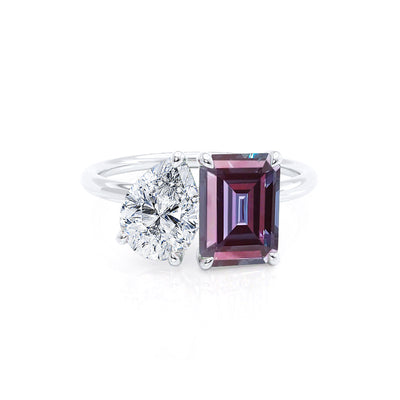
Throughout history, royalty has been adorned with vibrant gemstones that symbolize wealth, power, and status. Among these treasures, lab grown alexandrite has emerged in modern times as a stunning alternative to its natural counterpart, offering the same captivating color change that once fascinated emperors and queens. While contemporary technology allows the creation of these gems with remarkable precision, the tradition of wearing colourful gemstones stretches back thousands of years, embedded deeply in royal heritage across diverse cultures.
In ancient Egypt, gemstones were more than mere decorations; they were believed to carry protective and magical properties. Pharaohs wore elaborate jewelry embedded with lapis lazuli, turquoise, and carnelian. These gems were thought to bring favor from the gods and offer protection in the afterlife. The blue of lapis lazuli, resembling the heavens, was particularly favored for its connection to divinity. Crowns, necklaces, and amulets glistened under the desert sun, signifying not only beauty but divine authority.
Moving forward in time, the Roman Empire embraced a wide array of gemstones. Emperors and empresses were often depicted wearing rings and necklaces encrusted with emeralds, sapphires, and garnets. These gems symbolized various virtues such as wisdom, protection, and eternal love. Alexandrite, though not known to the ancients due to its later discovery, would have certainly appealed to Roman tastes with its remarkable ability to shift from green to red under different lighting conditions, mimicking the luxurious variety that Romans admired.
In medieval Europe, royalty elevated the display of gemstones to new heights. The British Crown Jewels, for example, showcase some of the most spectacular gems ever assembled, including sapphires, rubies, and diamonds. These jewels were not just symbols of power but also tools of diplomacy and allegiance, often exchanged between royal families to cement alliances. The discovery of new gemstone sources during the Age of Exploration introduced even more variety to royal collections, such as Colombian emeralds and Burmese rubies, which dazzled courts across Europe.
The Russian imperial family had a particularly strong affinity for colourful gemstones. Among their vast collection, alexandrite held a special place. Discovered in Russia’s Ural Mountains in the 19th century, it quickly became associated with Russian royalty, partly due to its unique color-changing properties that mirrored the national colors of green and red. Today, lab grown alexandrite allows enthusiasts to enjoy the same visual marvel once reserved for czars and their courts, making this historically significant gem accessible to a broader audience.
In Asia, gemstones also played a central role in royal adornment. Chinese emperors wore jade, which symbolized purity, virtue, and immortality. In India, the Mughal emperors were renowned for their extravagant jewelry collections filled with rubies, diamonds, emeralds, and pearls. These gems were often incorporated into elaborate turban ornaments, ceremonial swords, and even architectural masterpieces such as the Peacock Throne, emphasizing both spiritual significance and political power. For more helpful blog posts like this one, visit the rest of our site Privatedelights.
As the modern era unfolded, the fascination with colourful gemstones did not wane. European royals continued to set trends, with engagement rings featuring vibrant sapphires and emeralds capturing public imagination. The enduring appeal of these gemstones lies in their rich histories, striking beauty, and the stories they carry from one generation to the next.
Lab grown alexandrite, along with other lab-created gemstones, now provides a sustainable and ethical alternative to mined gems, allowing individuals to partake in the royal tradition of wearing colourful stones without the environmental and ethical concerns of mining. These stones maintain the brilliance, durability, and mystique that have captivated royalty for centuries.
In summary, the history of colourful gemstones worn by royalty is a testament to humanity’s enduring admiration for nature’s most dazzling creations. Whether through ancient rituals, medieval diplomacy, or modern craftsmanship, these gems continue to symbolize beauty, power, and timeless elegance. With the advent of lab grown alexandrite, the royal tradition of wearing captivating, colour-shifting gemstones remains very much alive and accessible in the present day.