

Small-business owners often work with different financial professionals, but the roles of a bookkeeper, tax preparer, and CPA are not always easy to distinguish. Each can support a business in a different way, and understanding those differences helps owners choose the right type of help.
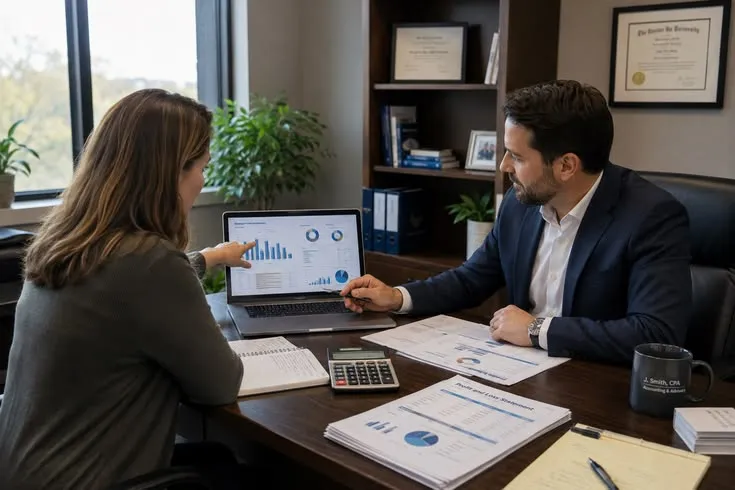
Working with a Sioux Falls CPA may be useful when a business needs more than routine recordkeeping or annual tax filing. Depending on the engagement, a CPA can provide tax planning, accounting guidance, financial review, and broader business support.
What Does a Bookkeeper Do?
A bookkeeper generally handles the day-to-day financial records of a business. Common responsibilities can include recording income and expenses, categorizing transactions, reconciling accounts, and maintaining ledgers.
Some bookkeepers may also assist with accounts payable, accounts receivable, or payroll-related records. Their work creates the financial foundation used for tax preparation and financial reporting.
Accurate bookkeeping is important because later decisions depend on reliable numbers. However, the exact services offered by bookkeepers vary, so business owners should always confirm what is included.
What Does a Tax Preparer Handle?
A tax preparer focuses mainly on preparing and filing tax returns based on the information provided by the taxpayer or business.
For a small business, this may involve reviewing income, deductible expenses, tax forms, and supporting documentation before completing federal and state returns. Some tax preparers work only during filing season, while others provide assistance throughout the year.
Tax preparers can also have different credentials and experience levels. Owners should ask whether the preparer regularly handles businesses with a similar structure or tax situation.
Tax preparation is primarily about reporting activity that has already happened. That is different from forward-looking tax planning.
How Is a CPA Different?
A Certified Public Accountant is a licensed accounting professional who has met education, examination, and experience requirements established by the state.
Depending on the firm, a CPA may provide tax preparation, tax planning, bookkeeping oversight, financial statement review, business consulting, and assistance with certain IRS matters.
This broader scope can be useful for business owners who want help understanding how current financial activity may affect future decisions. A CPA can also help connect accounting records with tax planning instead of treating them as separate tasks.
However, hiring a CPA does not automatically mean every financial service is included. The engagement should clearly define the responsibilities of both the firm and the client.
Can These Roles Work Together?
A business does not always need to choose only one type of professional.
For example, a bookkeeper may maintain records throughout the year while a CPA reviews the information for tax planning and return preparation. In another case, one accounting firm may provide both bookkeeping and tax services.
The important point is to define who is responsible for each task. Owners should know who records transactions, who reviews financial reports, who prepares tax returns, and who should be contacted when a tax question arises.
Clear responsibilities can prevent important tasks from being overlooked.
Match the Professional to the Need
The right professional depends on the question.
A missing transaction or routine categorization issue may begin with a bookkeeper. Annual filing work belongs with the tax professional responsible for preparing the return. Questions about estimated taxes, entity structure, or the tax impact of a major business decision may require broader accounting expertise.
Businesses considering a CPA firm in Sioux Falls should review the firm’s actual service areas instead of relying only on the professional title. Some firms focus mainly on tax work, while others combine tax, bookkeeping, payroll, and business advisory support.
Ask About Communication
Communication matters regardless of which professional a business uses.
Before starting a relationship, owners should ask how documents are shared, how often records are reviewed, and who will answer questions during the year. If multiple professionals are involved, it is useful to understand how they will coordinate.
Good communication can make tax preparation more efficient because the person preparing the return has access to complete and organized information.
Conclusion
Bookkeepers, tax preparers, and CPAs all support small businesses, but their roles are different. Bookkeepers maintain financial records, tax preparers focus on return filing, and CPAs may provide broader accounting, tax, and advisory services.
Understanding these differences helps business owners choose support based on the work that actually needs to be done. Clear responsibilities, accurate records, and regular communication can make financial management easier throughout the year.