

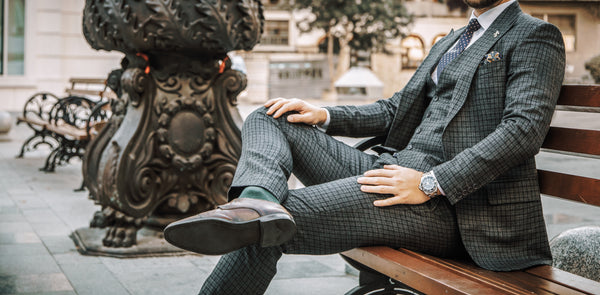
Getting measurements right feels slightly awkward for many people, but it matters more than anything else in clothing. A tailor checks shoulders, chest, and sleeve length with slow attention, sometimes repeating steps. Custom-tailored suits depend heavily on these early numbers because even small errors change the final shape. People often underestimate posture effects too, which later influence how the suit sits when walking or standing in daily-use situations.
Fabric Selection Notes
A fabric choice often feels simple at first glance, but real handling changes everything once you touch it in person. People discussing custom-tailored suits and personalized bespoke suit service usually notice texture differences more than design sketches. Wool blends behave differently under heat, and lighter fabrics tend to move better during long office hours. Some buyers forget lining weight matters, which later affects comfort when sitting or traveling long distances.
Style Decision Moments
Style decisions rarely happen in one clear moment; instead, they come through small preferences during multiple visits to a tailor. Lapel width, button placement, and pocket shape all shift how the suit feels visually and practically on the body. Small mirror checks help people adjust expectations before final stitching begins at the workshop stage. Many people change their mind after first fitting, which is normal in clothing customization processes overall.
Stitching Craft Details
Stitching work often defines the final durability of any suit, even more than fabric choice in some cases. Hand finishing in custom Tailored suits usually take longer but create smoother edges along seams and joints. Machine support still helps maintain consistency where hand work alone cannot handle repeated stress points. Tailors usually look for seams down soft to catch the odd concern before the very last immediate occurrence. Minor corrections at this stage later put the adaptation through some wear and tear.
Suit Fitting Adjustments
The fitting period generally reveals minor discrepancies that were not apparent at any stage of formatting or fabric selection. During a personalized custom suit service, tailors often gently alter the shoulder slopes, waist constriction, and sleeve break. Clients may periodically experience minor soreness before everything fits, but improvements increase balance and speed every step of the way. Final adjustments usually depend on how the fabric reacts after a short wearing period test. Even posture correction advice becomes part of tailoring discussions.
Color Choice Approach
Color choice largely depends on the administrative center culture, private taste, and the many ways a suit can be worn. Dark tones continue to be popular in many custom-tailored suit orders because they blend in formal settings seamlessly. Seasonal museums often have lighter sunshades, with relaxed office rules providing added flexibility. Some clients use diffuse styles, although undeniable finishes dominate the norm in specialized settings. Small color tests under daylight help final decisions before production starts.
Modern Suit Preferences
Modern preferences in tailoring lean toward comfort and mobility rather than strict traditional stiffness. People are now asking for lighter shoulder padding across the jacket for daily use and extra herbal use. Work environments have had an impact on size and design research, especially in hybrid workplace cultures globally. Casual styling elements are also creeping into formal tailoring discussions for more youthful customers today. Tailors adapt slowly and balance the subculture with today’s style expectations. This shift accommodates how the suits are intended as a medium.
Final Wearing Experience
The very last dress experience generally feels different from off-the-rack clothes in detail. Customers who receive a personalized custom suit service should often be aware of several comforts at some point during the long hours they spend. Small changes already made now show their importance when the fit follows the body shape clearly. In general, people respect how it is possible to drop sleeves and pants without regular guided solutions. The overall value depends on comfort, mobility, and personal confidence in everyday use situations.
Conclusion
Choosing a suit often involves small decisions that build into a final result over time. More details and fitting support can be explored at trutailorcocustomsuits.com for further tailoring information. The process remains flexible and depends on individual expectations and body variations across different users. Good tailoring relies on patience, observation, and repeated refinements during multiple fitting stages overall. Explore options carefully and connect with professionals for a more refined clothing experience today. Taking time during selection often leads to better fitting outcomes in practical everyday situations. A careful approach helps balance style, comfort, and long-term usability effectively.